Short answer: mixing balances the individual parts of your song so it sounds right, and mastering polishes the finished stereo file so it sounds right everywhere. If your vocal sits badly on the beat, you need mixing. If your finished track sounds quiet or dull next to released music, you need mastering. Most tracks that come to me need both, and doing them in that order is what separates a demo from a record.
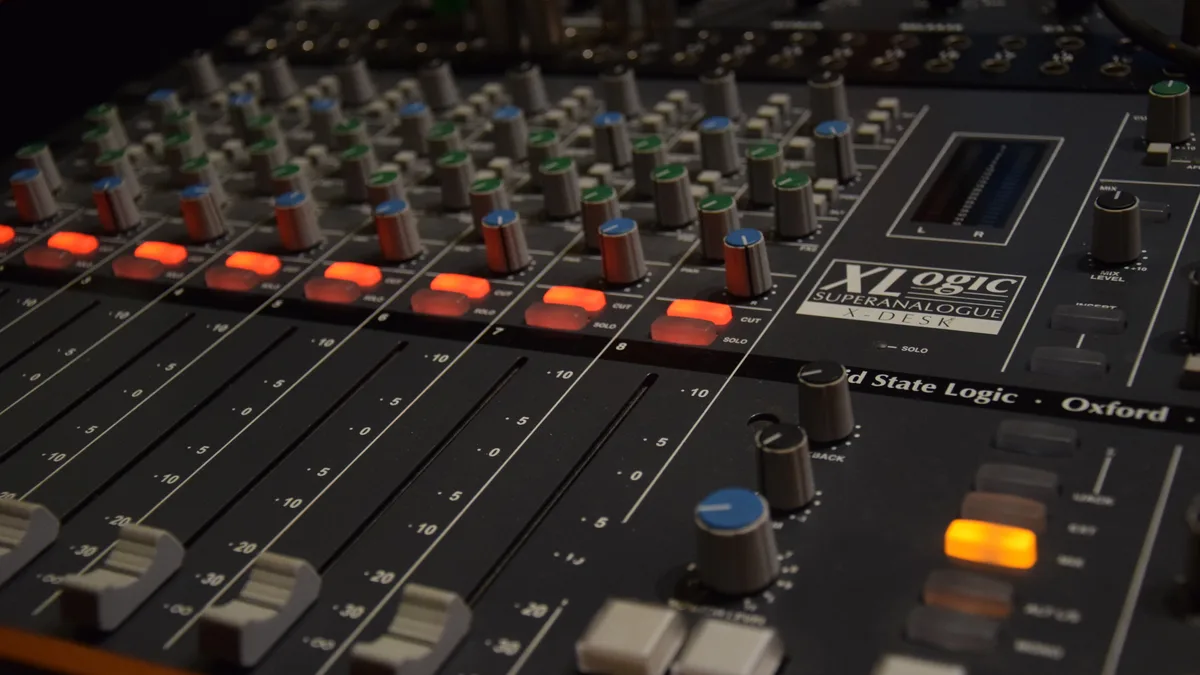
What mixing actually does
A mix takes every element of your session, the lead vocal, the doubles and ad-libs, and each part of the beat, and decides how they sit together. Levels, EQ so sounds stop fighting over the same frequencies, compression so the vocal stays steady, effects like delay and reverb used with intent rather than drowning everything. On a drill or rap track the mix is mostly a vocal job: the beat usually arrives already balanced, and the work is making your voice sit inside it, hard and clear, instead of floating on top.
What mastering actually does
Mastering happens after the mix, on the single stereo file. It brings the track up to competitive loudness without crushing it, balances the overall tone so it translates from earphones to car speakers to club systems, and sets the technical details for streaming. It is the last quality check before the world hears it. What it is not is a rescue service. Mastering cannot bring up a buried vocal or fix a boomy 808, because it can no longer reach the individual parts.
The order matters more than people think
Every week someone sends a track asking for a master when what it needs is a mix. The honest thing is to say so, and I do, because putting a loud polish on an unbalanced track just gives you a louder unbalanced track. Fix the parts first, then finish the whole. If an engineer takes your money for a master without ever mentioning the state of your mix, that tells you something.
What to send, and how to prepare
- Export stems: every vocal track and each beat element as separate files from the same start point, so they line up on import.
- Keep the lead vocal clean. Record it dry, without baked-in reverb or heavy tuning, so the mix can shape it properly.
- Leave headroom. Do not slam everything to maximum volume before sending, loudness comes at the end.
- Include a reference: one or two released tracks whose sound you are chasing. It tells the engineer more than a paragraph of description.
- If you bought the beat, check your licence. Premium and Exclusive licences include the beat stems, which is exactly why they exist.
Questions I get asked every week
Can mastering fix a bad mix? No. It polishes a finished stereo track. If the vocal is buried, that is a mixing problem, and mastering will only make it louder.
Do I need them as separate services? They are separate jobs, but for most independent releases one engineer doing both keeps the sound consistent from first fader move to final file.
What if I only have the two-track beat? It can still be mixed, the vocal side fully and the beat by careful shaping, but stems always give a better result. That is worth knowing before you choose a beat licence.
How do I check my own mix? Play it quietly on a phone and in a car. If every word is clear and the low end holds together in both places, you are close.
I cover what each beat licence includes, stems and all, in the beat licence guide, and the full mixing and mastering service is on the mixing and mastering page. If you are not sure what your track needs, send it over and you will get a straight answer, even if that answer is that it is not ready yet.
Or call or text +44 7762 142948.